Mark Vroegop shares that building a prayer culture among elders and staff can be difficult because prayer may feel unfamiliar, uncomfortable, or less urgent than getting ministry tasks done.
Some leaders may carry guilt about not praying enough. Others may not know how to pray with confidence, or they may have had poor experiences with prayer in another church. As the speaker puts it, “You can’t export what you’ve never imported.”
The answer is not merely to tell leaders that prayer matters. It is to build prayer into the normal life of the church.
Prayer for Elders and Church Staff – Key Practices
Make prayer part of regular meetings.
Staff and elder meetings should include meaningful, uninterrupted prayer—not a brief opening formality. In this church, every elder gathering includes at least 30 minutes of prayer.
Set expectations for leaders.
Elders are told from the beginning that participation in prayer gatherings is part of their role. Their presence sends a message to the church that prayer matters.
Give leaders firsthand experiences of corporate prayer.
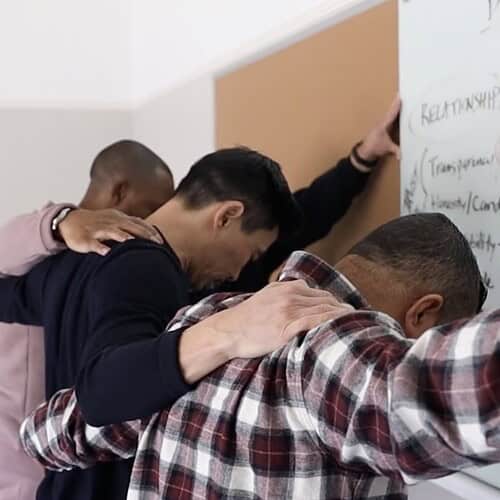
When elders lay hands on someone who is sick or pray with someone carrying a heavy burden, they see the value of prayer for themselves. Those moments often shape them more than explanations do.
Create steady rhythms throughout the year.
Prayer weeks, prayer emphases, prayer days, and worship-based prayer nights keep prayer from becoming occasional or reactive.
Make elders visibly available for prayer.
After services, elders come forward so people know they can receive prayer. Even when no one approaches a particular elder, their presence reinforces that prayer is part of the church’s identity.
Main Take Away When Introducing Prayer for Elders and Church Staff
A prayer culture grows through leadership, expectation, repetition, and shared experience.
Leaders must help elders and staff see that prayer is not merely part of the work of ministry. Prayer is the work of ministry.