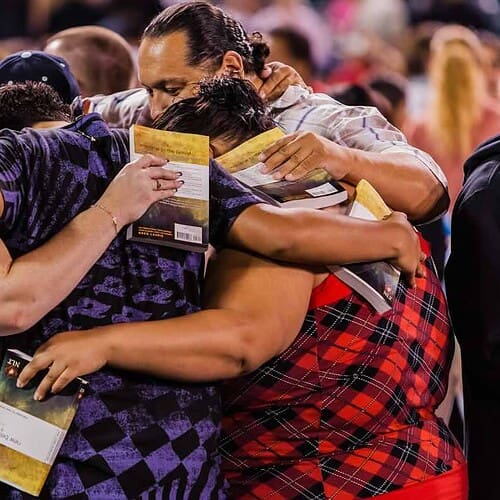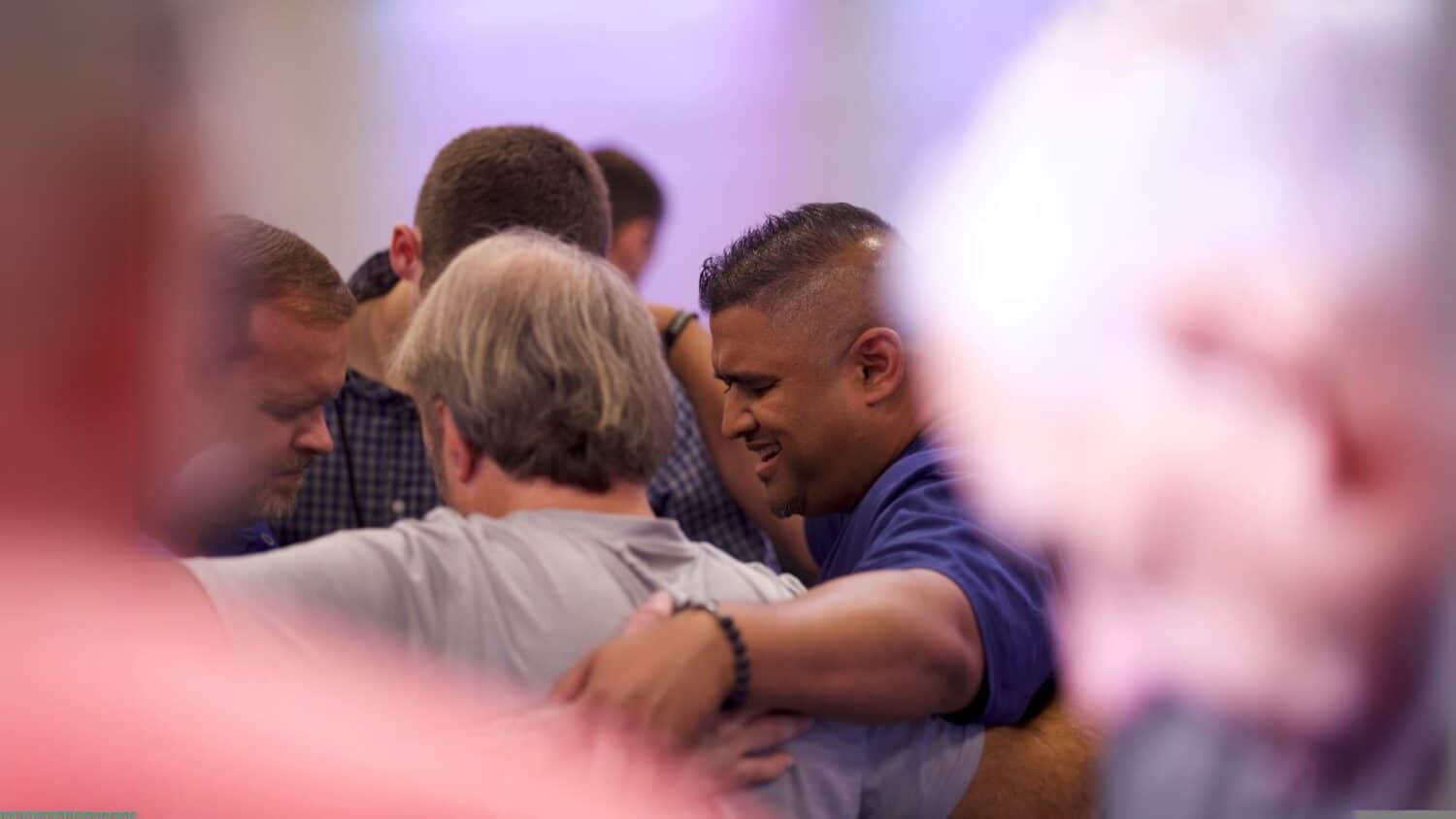
Pastor, here’s a question that might sting a little: When your church faces a crisis, what’s the first thing you do?
Call a meeting? Or call on God?
Most of us know the right answer, but fewer of us live it. And if we’re honest, almost none of our churches default to it.
We preach about prayer. We believe in prayer. We even schedule prayer into the bulletin. But for too many local churches, prayer is still a line item rather than a way of life. It shows up at the top of meetings and the bottom of priority lists. We may have a prayer ministry, but do we really have a prayer culture?
There’s a difference. And it matters more than most of us realize.
What Is a Culture of Prayer?
A culture of prayer exists when prayer becomes a church’s shared first response, not merely a scheduled ministry. It shapes how leaders make decisions, how members care for one another, and how the congregation depends on God.
What the Early Church Teaches Us About Prayer
Before the first sermon was preached. Before the first miracle. Before Pentecost shook the room. The early church prayed. The Church was born out of prayer, and its exponential impact was fueled by prayer.
“All these with one accord were devoting themselves to prayer, together with the women and Mary the mother of Jesus, and his brothers…And they devoted themselves to the apostles’ teaching and the fellowship, to the breaking of bread and the prayers.“ (Acts 1:14; 2:42).
Notice the pattern. Prayer wasn’t an afterthought tacked onto the end of a service. It was part of the foundation, right alongside teaching, fellowship, and communion. The early church didn’t have a prayer committee. They were a praying church. Devoting themselves to prayer was who they were, not just what they did on Tuesday nights.
And look what happened. The Holy Spirit moved. Lives were changed. The gospel spread like wildfire. That wasn’t the result of a better strategy or a bigger budget. It was the fruit of a people who knew they couldn’t do anything apart from God, and who stayed on their knees because of it.
“And they lifted their voices together to God” (Acts 4:24). When threats came, they didn’t form a task force. They prayed. Together. Out loud. With one voice.
That’s a culture of prayer. And it’s still what God is looking for in His house today.
Why a Prayer Ministry Is Not the Same as a Prayer Culture
You can put prayer on the calendar. You can print it in the bulletin. You can open a prayer room and staff a prayer chain. All of those things are good.
But a prayer culture isn’t a program you add. It’s a posture your church lives in. Programs run on schedules. Culture runs on shared values. The question isn’t whether your church has a prayer ministry. The question is whether your people’s first response to anything, good news, hard news, a decision, a fear, is to pray.
A prayer culture means prayer doesn’t just happen at scheduled times. It happens when a deacon mentions a struggle in the parking lot, and someone stops right there to pray with him. It happens when your leadership team spends the first 15 minutes of every meeting in Scripture and prayer rather than rushing to the agenda. It happens when a mom in your congregation asks God for wisdom before she opens Google.
That kind of culture doesn’t come from a program. It comes from a pastor who lives it and a community that catches it.
A Culture of Prayer Starts With the Pastor
Here’s the hard truth: a prayer culture in your church will never outgrow your own life of prayer.
Your congregation watches you more than you think. If you rush through the opening prayer to get to the sermon, they’ll learn that prayer is a warm-up act. If you only mention prayer when there’s a crisis, they’ll learn it’s a last resort. But if they see you stop in the middle of a conversation to pray with someone, if they hear you talk about what God said to you this morning in the Psalms, they’ll start to believe that prayer is real and that it matters right now.
Jesus modeled this for us. Luke tells us, “He would withdraw to desolate places and pray” (Luke 5:16). Before every major decision, before calling the twelve, before the cross, Jesus prayed. If the Son of God made prayer His first response, how can we lead without doing the same?
You can’t give what you don’t have, and you can’t lead where you have not gone, or at least are willing to go. Before you try to create a culture of prayer in your church, ask God to deepen the culture of prayer in your own heart.
Five Ways to Build a Culture of Prayer in Your Church
You don’t need a big budget or a new program. You need consistency, conviction, and a willingness to start small. Here’s what you can do this month:
Pray Before You Plan.
Rather than doing what is often called a “zipper prayer,” where you simply open and close a meeting with a quick “Lord, bless this time and our plans,” take the first fifteen minutes to open a Psalm and let it guide your prayers. Do this at every staff meeting, elder meeting, and leadership gathering. Let the agenda wait. You’ll find your meetings get more productive, not less, when you put God first.
Teach on Prayer Regularly.
The apostles devoted themselves to prayer and the ministry of the Word (Acts 6:4). Those two things belong together. If you want your people to grow as a praying church, teach them what Scripture says about prayer. Not once a year, woven through your preaching all year long. The frequency of your teaching on prayer will serve as a barometer of the prayer culture in your congregation.
Make Room for Corporate Prayer
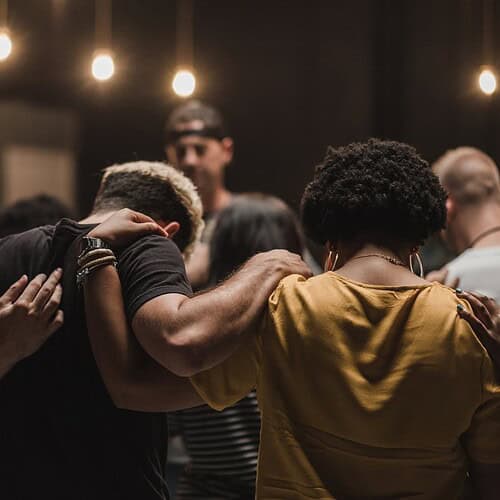
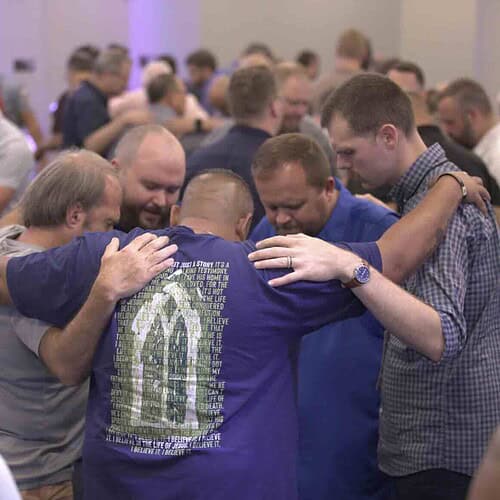
Don’t just talk about prayer on Sunday, practice it together. Set aside time for your congregation to actually pray, not just listen to someone else pray. Even five minutes of guided, corporate prayer can begin to shift a culture. Twice a year, consider giving an entire Sunday service over to worship and prayer.
Pray Now, Not Later
When someone shares a need, in the hallway, after service, over coffee, pray with them on the spot. Don’t just say, “I’ll keep you in prayer.” Pray right then. Teach your leaders and small group members to do the same. This one habit, more than almost anything else, will change the DNA of your church.
Share Stories of Answered Prayer
When God answers a prayer, don’t let it pass in silence. Share it from the stage. Put it in the newsletter. Let your people hear what God is doing when His people pray. Every testimony of answered prayer builds faith for the next one. For what gets celebrated often gets repeated.
Building a Praying Church Takes Time
Here’s what nobody tells you about building a prayer culture: it’s slow. You’re not just starting something new. In most cases, you’re changing something that already exists, a culture where prayer has been polite but not central, present but not powerful.
That’s okay. Start where you are. Start with a dozen people in a circle. Start five minutes before your next meeting. Start with your own quiet time tomorrow morning.
The early church didn’t build their prayer culture in a weekend retreat. They devoted themselves to it, day after day, gathering after gathering, prayer after prayer. And the Spirit moved.
“Therefore, my dear brothers and sisters, stand firm. Let nothing move you. Always give yourselves fully to the work of the Lord, because you know that your labor in the Lord is not in vain” (1 Corinthians 15:58).
The question isn’t how long it will take. The question is: how soon can you start?
Take the First Step Toward a Prayer-Centered Church
Pastor, you don’t have to figure this out alone. The 6:4 Fellowship is a community of pastors pressing into prayer and the Word together. Join the Fellowship today. It’s free, and you’ll find leaders who are walking this same road.
Not a member, SIGN UP for The 6:4 Fellowship today!