Pastor,
There are seasons when the weight of ministry feels heavier than the strength you have left.
You know what it is to care for people while quietly carrying concern of your own. You know what it is to preach hope while wondering how much longer you can keep going at the same pace. You know what it is to watch staff grow weary, members drift, leaders strain under the load, and the life of the church feel harder to stir than it once did.
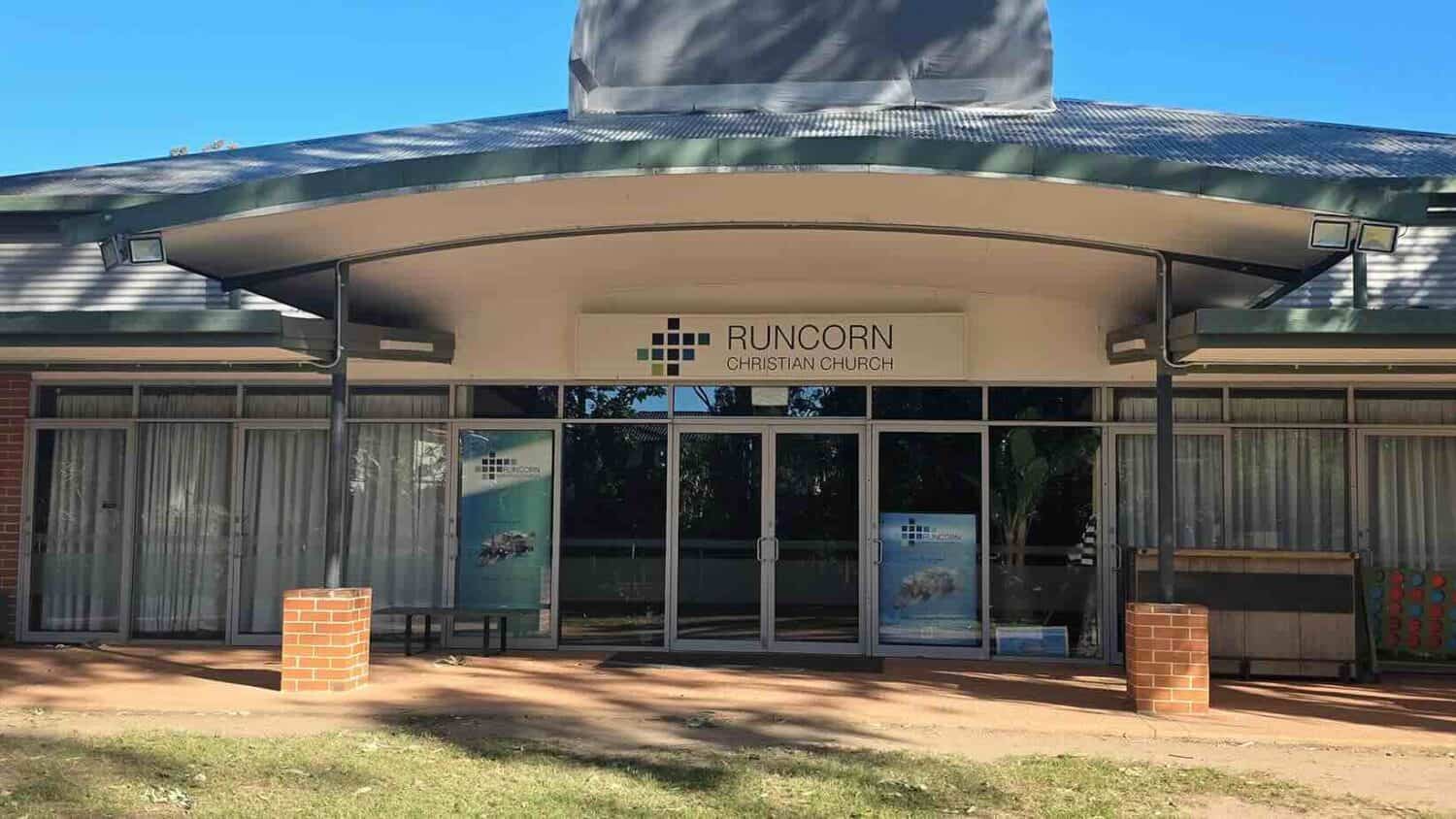
That is why the story coming from Runcorn Christian Church in Brisbane, Australia, matters so much.
It is not a story about a new program saving a church.
It is not a story about a pastor arriving with all the answers.
It is a story about a tired church being called back to the place Jesus has always called His people: prayer, dependence, and the presence of God.
And it began in a hard season.
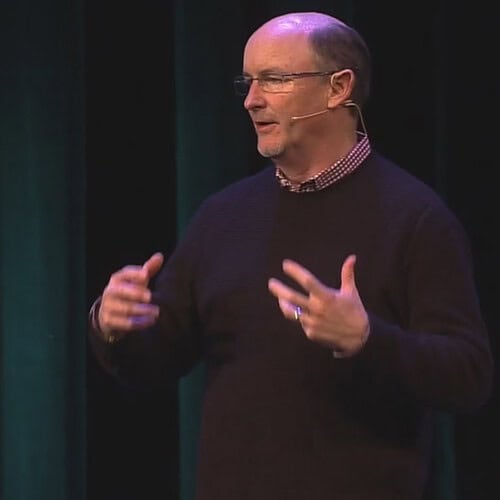
When Nick Booth was asked to return to Runcorn Christian Church last year, he was not stepping into an easy assignment. He had served there for many years as an associate pastor before moving to Tasmania, and he loved the church deeply. The senior pastor, a dear friend and former boss, was nearing retirement and had reached the edge of burnout. Staff members were resigning. Some church members had left. Board members were carrying a heavy ministry load.
The church was tired.
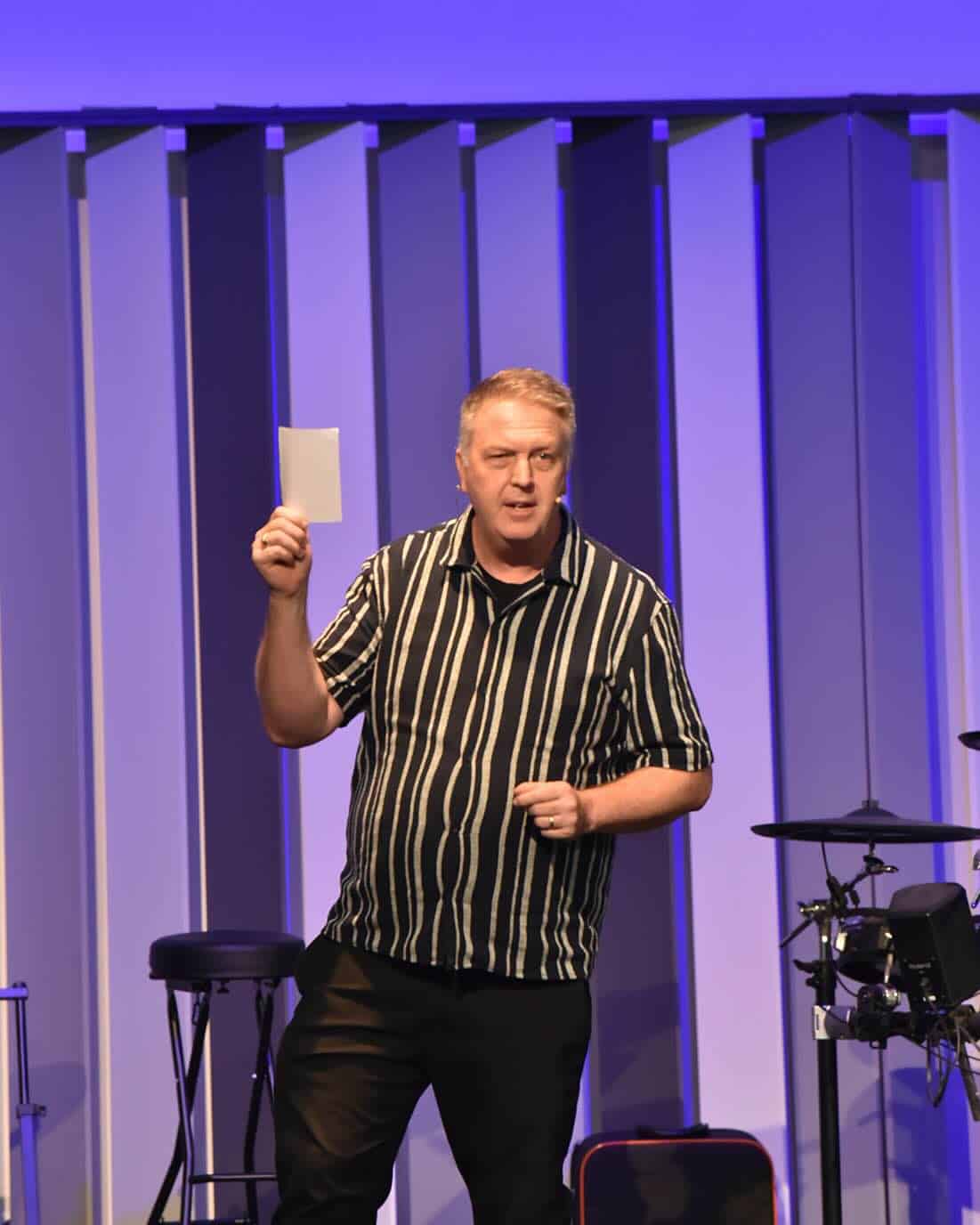
Nick’s first impression was quiet concern. People may not have known every detail, but they could feel that something was wrong. He later said he believed the church could have dwindled to around 40 people if the season had been handled poorly. By God’s mercy, they were able to maintain around 120.
When Nick returned, the feeling in the church was something like relief. A familiar shepherd had come home during a difficult family moment.
But relief alone would not renew the church.
Nick knew the congregation needed more than stability. They needed to look up to God and out to the lost.
“When a church is struggling,” he said, “we need to help people look up to God and out to the lost—not inward at themselves.”
So from the beginning, he made two things clear.
Prayer would come back to the forefront.
And the church would rebuild an outward-facing culture of inviting friends, family, neighbors, and colleagues.
This is a needed word for any pastor leading through decline, transition, or weariness. When pressure rises, it is easy for a church to turn inward. We analyze. We worry. We blame. We try to manage every outcome through human effort.
But Scripture keeps calling us back to a different posture.
“Unless the Lord builds the house, those who build it labor in vain”
– Psalm 127:1
That verse is not an excuse for passivity. It is a summons to dependence.
The work still matters. Leadership still matters. Preaching still matters. Care, planning, follow-through, repentance, courage, and wise decisions still matter.
But none of it can replace the presence and power of God.
With Nick in the senior pastor role they started of 2026, with 21 days of prayer, gathering three times a day. Over those 21 days, 104 people attended—many more than once, and many daily.
For a tired church in transition, that was no small sign of grace.
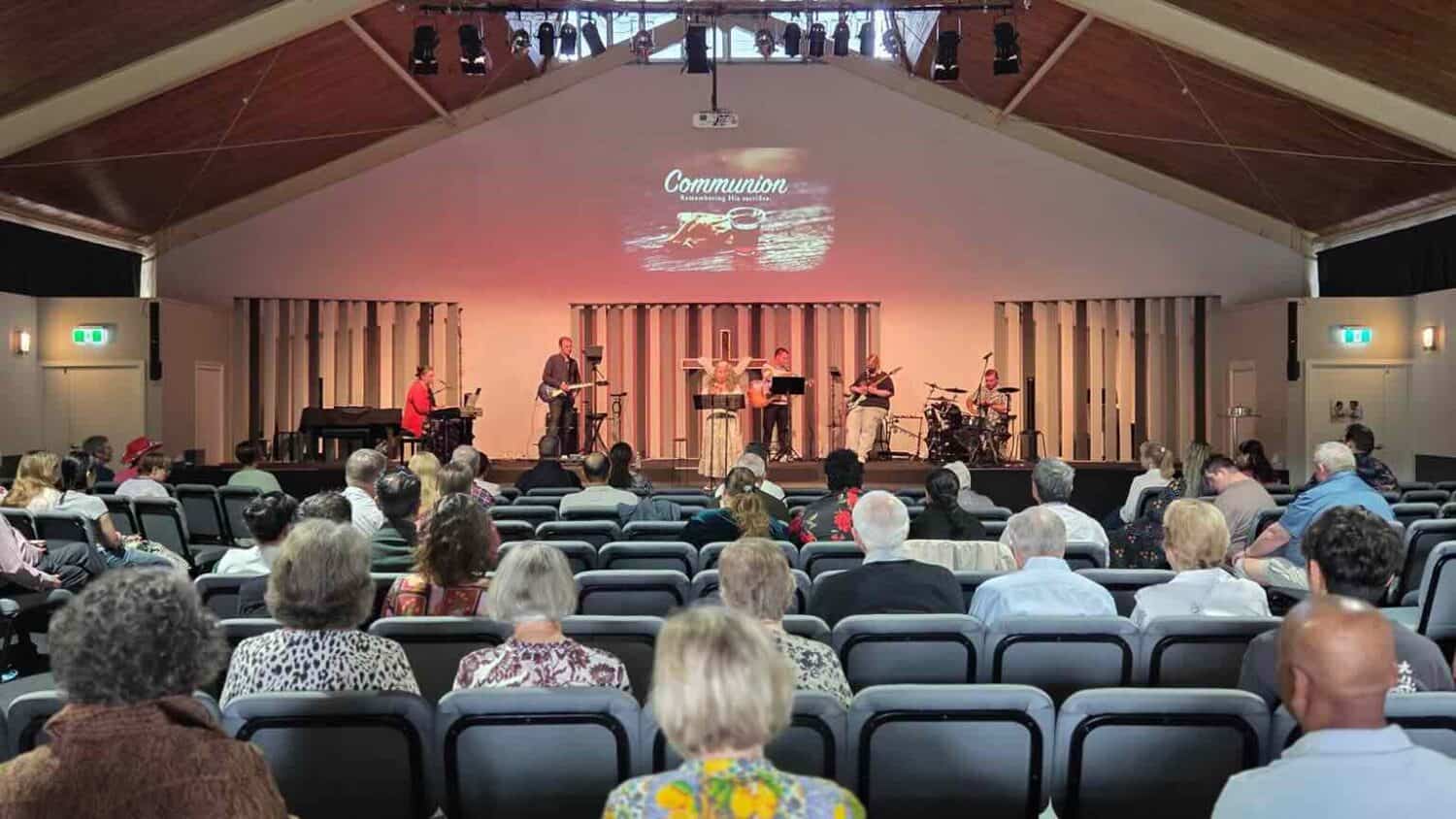
Since then, Runcorn has kept a regular rhythm of prayer three days a week for one hour. Staff are praying. The church is spiritually alive. New people are coming. Renewed people are returning. The energy has come back.
There is still work ahead. Nick would say that plainly.
But something has changed.
One of the most moving signs is who is showing up to pray.
When New People Start Coming to Pray
New people are turning up at prayer meetings every week. Some are newly saved. Some are new attendees. At least five different newcomers have attended a Sunday service for the first time and then come to a midweek prayer meeting that same week.
(Pause there)
Many of us would be grateful if a first-time guest simply came back the next Sunday.
At Runcorn, new people are coming on Sunday and then showing up to pray with the church before the week is over.
Week by week, people who have never attended prayer before are beginning to come.
The fire is spreading.
Nick is careful to say this is a praise report, not a boast—unless it is boasting in what God is doing.
That distinction matters.
Pastors do not need another success story that quietly shames them. You have read enough stories that make ministry sound simple if only you had the right strategy, personality, staff, building, or social media plan.
This is not that kind of story.
This is a reminder that God still meets His people when they humble themselves and pray.
It is a reminder that prayer is not the warm-up act before the “real work” of ministry. Prayer is the work of dependence. Prayer is where the servants of Christ stop pretending they can carry divine burdens with human strength.
The apostles understood this when they said, “But we will devote ourselves to prayer and to the ministry of the word” (Acts 6:4).
They were not avoiding leadership. They were protecting the center of it.
A praying church is not built by accident. It is led there by pastors and leaders who are willing to start, even when the beginning feels small.
Prayer Came Back to the Center
When asked what he has learned about leading a church into prayer, Nick’s answer was simple: “Start.”
Whether it is three people, five people, or twenty people—start.
That may be the word some of us need most.
Not “solve everything.”
Not “fix the culture by next month.”
Not “get the whole church on board before you begin.”
Start.
Open the doors.
Gather the willing. Turn hearts toward the Lord. Teach people to praise before they ask. Help them see that God is worthy, and we are needy.
Nick has often used what 6:4 calls the 2/2 pattern, or prayer movement with the church: “He is worthy, and we are needy.”
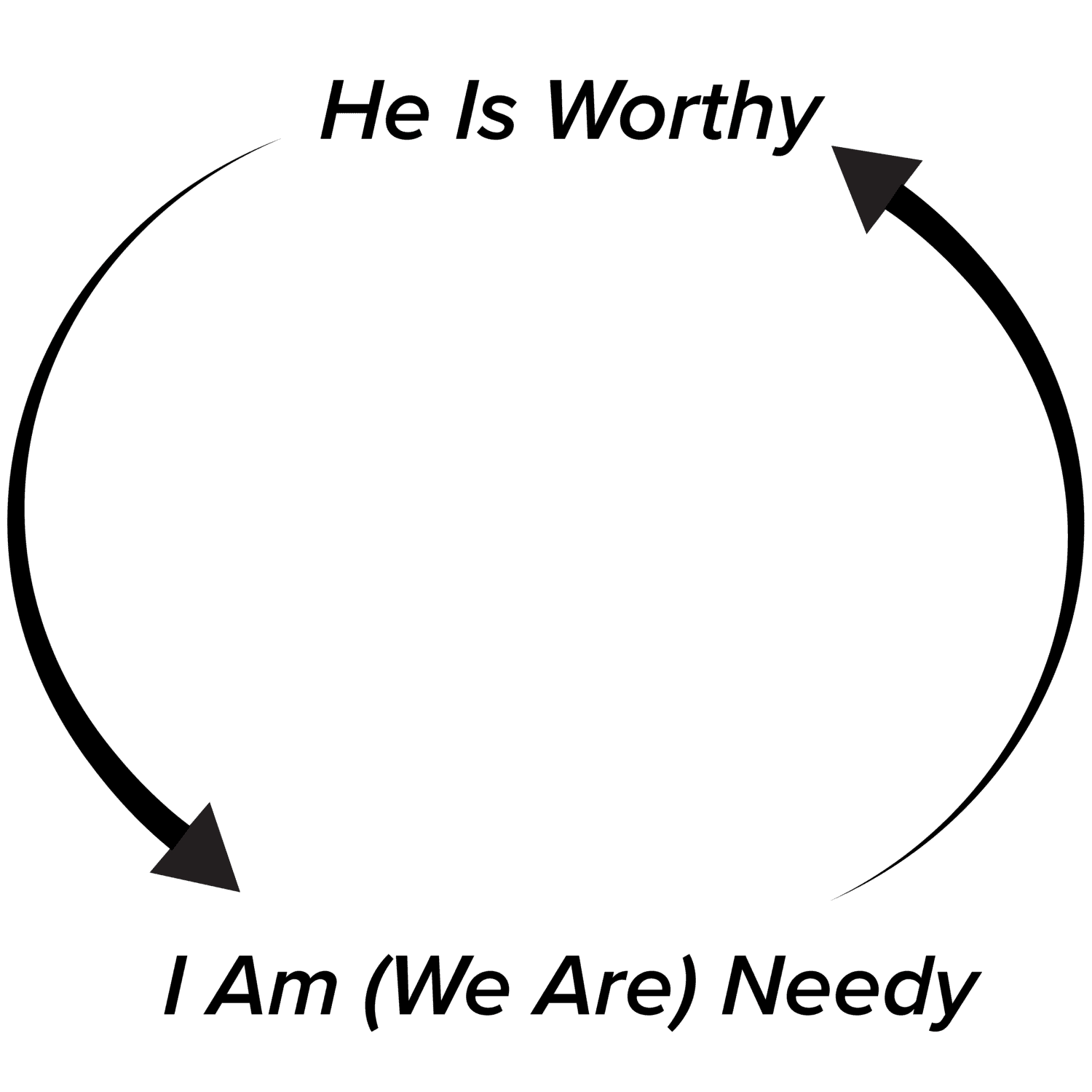
There is enough truth in that sentence to carry a prayer meeting.
He is worthy.
Before we bring Him our requests, we remember who He is. Holy. Merciful. Near. Sovereign. Patient. Faithful. Father, Son, and Holy Spirit. The One who creates, saves, shepherds, convicts, comforts, sends, and sustains.
We are needy.
Not needy in a way that should embarrass us. Needy in a way that brings us home. Needy for grace. Needy for wisdom. Needy for endurance. Needy for power from above. Needy for love we cannot manufacture. Needy for God to do what no pastor, board, staff, sermon series, or ministry plan can do.
Staff Renewal Begins with Dependence
That posture began to reshape the staff as well.
One of the most tender stories from Runcorn comes through their youth and generations pastor. When Nick arrived, this young leader was doing his best in a hard situation. His ministry area had declined. He was carrying blame from others and from within himself.
In their first conversation, Nick said, “I want to be your friend and mentor, not just your boss. Will you allow me to do that?”
That was what the young pastor had been longing for over four years on staff.
Nick then encouraged him, as he encourages all the staff, to take at least one hour of the workday to meet with God in prayer. Nick believes we accomplish more with God at the center than through striving alone.
At first, the young pastor was skeptical. He thought Nick might be implying he was not working hard enough. He later joked that his posture was something like “malicious compliance.” If five work hours a week were going to be “wasted” on unproductive work, then fine—but he did not expect his work to increase.
Then God met him.
Prayer became the non-negotiable start to his day, early before his children woke up. His relationship with Jesus was renewed. Striving gave way to joy. Youth and young adults began praying together on Wednesday nights. Numbers began to grow again, but more than that, spiritual hunger returned.
Then his wife called Nick.
She shared how much had changed—not only in her husband, but in her own heart and in the church. She said Runcorn had gone from being “the church my husband works at” to “our church, where I can’t wait to come and meet with God and family.”
Nick was moved to tears.
Pastor, that is the kind of fruit many of us long for.
Not just attendance.
Not just activity.
Not just a full calendar.
We long to see people come alive to God again.
We long to see staff move from survival to joy.
We long to see spouses and families feel drawn into the life of the church rather than worn down by it.
We long to see prayer become more than a ministry department and become the breath of the church.
A Presence-Centered Church
And yes, at Runcorn, attendance is rising too. Regular attendance has grown back to around 150 to 160 each week, with around 400 different people attending throughout a month. Nick is praying and trusting God for continued growth.
But he is clear about the order.
He does not want performance-driven church. He longs for presence-centered church.
“God in the house,” as he put it.
His prayer is to build a church where God wants to come, and where people want to come—in that order.
That line is worth carrying into your next elders’ meeting, staff meeting, sermon planning time, or quiet walk with the Lord.
- Where God wants to come.
- Where people want to come.
In that order.
This does not mean we can force God’s hand. We cannot schedule revival like a staff meeting. We cannot manufacture hunger. We cannot make prayer spread by technique.
But we can make room…
- We can repent of prayerlessness.
- We can stop treating prayer as a symbolic opening and begin treating it as our first labor.
- We can teach our people to adore God, confess sin, ask boldly, listen humbly, and respond with surrendered obedience.
- We can invite the church to gather.
We can start.
Start Small, But Start
Some prayer meetings may begin small. Some may feel awkward at first. Some long-time gatherings may need fresh direction. Nick has found that if an existing prayer meeting cannot move from a “shopping list” style of prayer to something more God-centered, it may be easier to begin a new gathering.
That is not failure. That is shepherding.
A church learns to pray the way a child learns to speak: by hearing, practicing, stumbling, trying again, and being lovingly guided.
Pastor, you do not need to build a prayer culture overnight.
You need to take the next faithful step.
- Gather a few people.
- Open the Word.
- Turn their eyes to the Lord.
- Remind them, “He is worthy, and we are needy.”
Then ask Him to come.
Encouragement for Pastors Who Feel Weary
The story at Runcorn Christian Church is still being written. There are still challenges ahead. There will be more decisions, more pastoral care, more leadership moments, more sermons, more tears, and more need for wisdom.
But the church is praying. The staff is alive. New people are coming. And God is being sought.
That should encourage every pastor in our fellowship.
Not because your church is just like Runcorn. It may not be.
Not because your next 21 days will look exactly like theirs. It may not.
But because the same Lord is near to you.
The same Spirit helps us in our weakness.
The same Father hears His children when they cry out.
The same Christ still walks among His churches.
So take heart.
Your labor in the Lord is not in vain (1 Corinthians 15:58).
The hidden prayers matter.
The small beginnings matter.
The tired pastor who chooses dependence over striving matters.
The three people in a room seeking God matter.
The staff member learning to pray again matters.
The church that looks up to God and out to the lost matters.
And pastor, you are not alone.
We are walking this road together—devoted to prayer and the ministry of the Word, trusting God to renew His servants and awaken His church for His glory.
Start there.
Start with prayer.
Start again.
© 2026 The 6:4 Fellowship. All rights reserved.
*for more information on Runcorn Community Church visit them on the web: